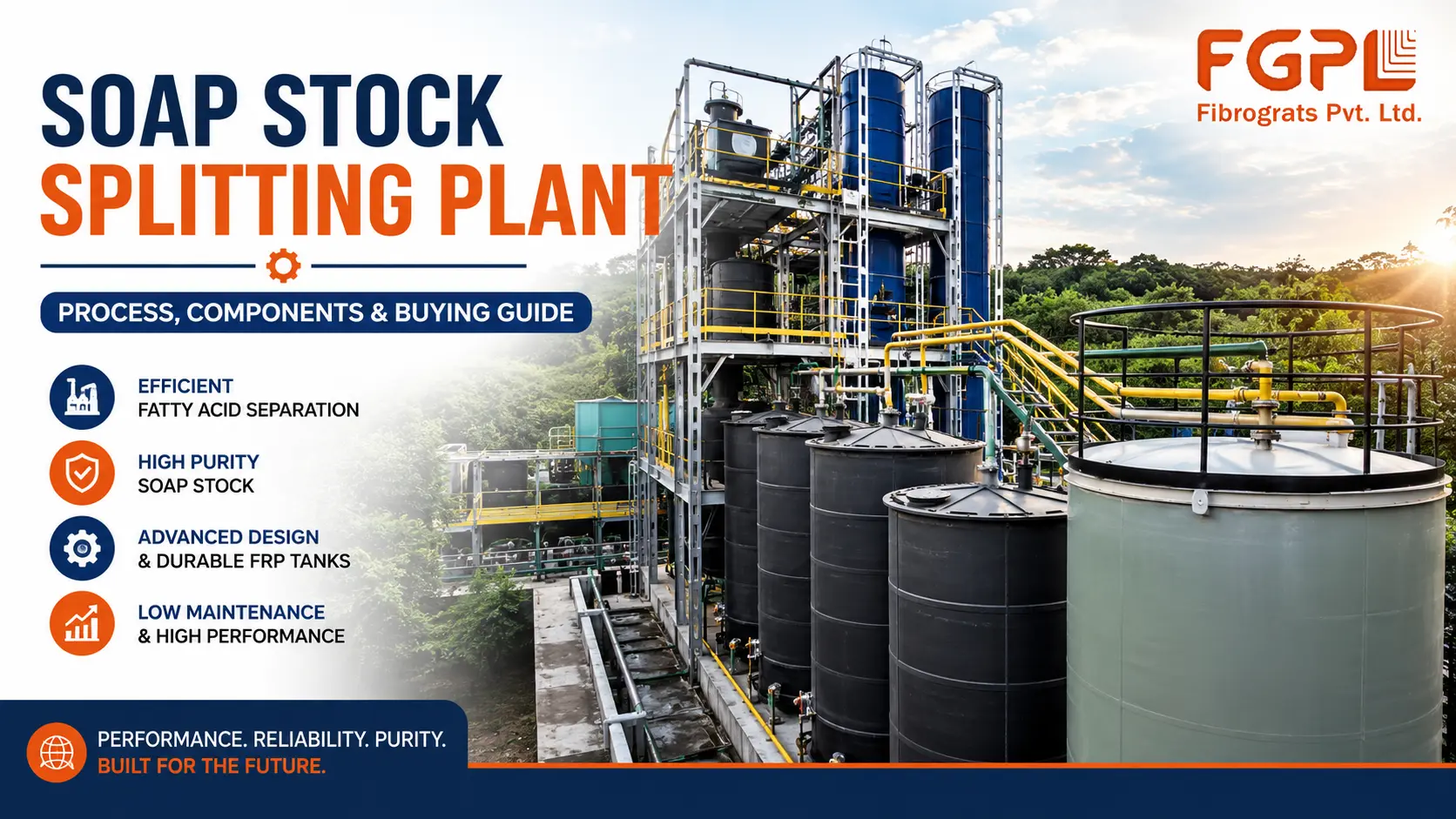
Buying a soap stock splitting plant is a long-term capital decision. The right plant converts your refinery’s soap stock by-product into profitable acid oil with 95%+ efficiency, runs for 20+ years with minimal maintenance, and meets global environmental standards. The wrong one leaks, corrodes, and costs you far more in repairs than you saved at purchase. This guide tells you exactly what to look for.
What Is a Soap Stock Splitting Plant?
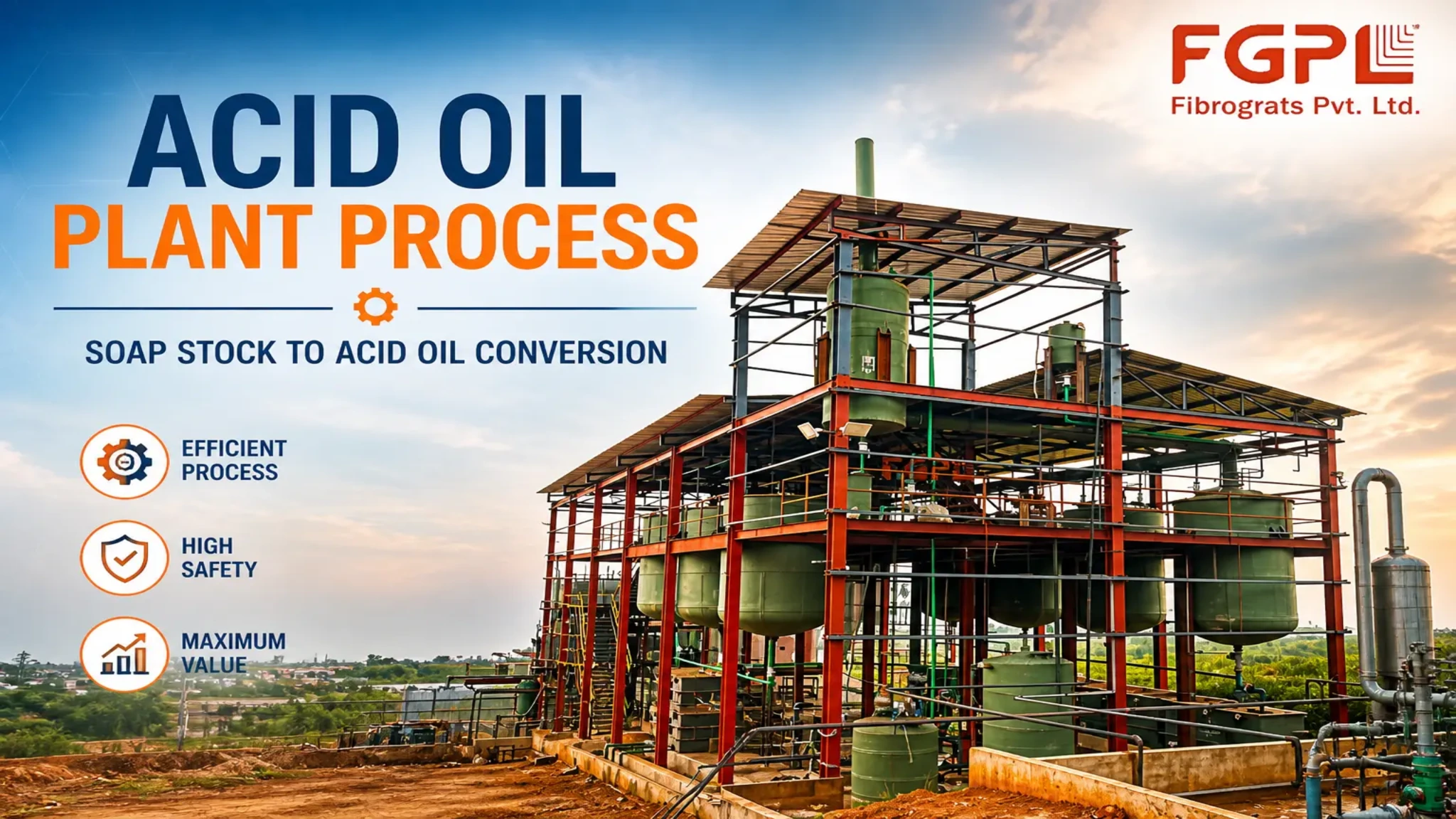
A soap stock splitting plant — also referred to as an acid oil plant or soapstock acidulation plant — is an industrial processing unit that converts soap stock (a by-product of vegetable oil alkali refining) into acid oil using controlled acid treatment.
During vegetable oil refining, free fatty acids are neutralized with caustic soda (NaOH), generating fatty acid soaps that are removed as “soap stock.” This soap stock still contains valuable oil. Soap stock splitting recovers that oil by reacting the soaps with a strong mineral acid, releasing free fatty acids as acid oil — a saleable industrial product worth significantly more than untreated soap stock.
💡 Economic Context: For a 300 MT/day refinery generating ~5% soap stock (15 MT/day), a well-run acid oil plant can generate ₹15–25 lakh per month in additional revenue from material that was previously a disposal cost.
How the Soap Stock Splitting Process Works
Modern continuous soap stock splitting plants follow a well-established sequence of chemical and physical operations. Here is the complete process flow:
Soap Stock Feed & Pre-Heating
Soap stock from the refinery’s centrifuge is collected in an FRP feed tank. It is heated to 60–85°C to reduce viscosity, improve pumpability, and ensure efficient mixing with the acid in the next stage. A metering system controls the feed rate based on plant capacity.
Acid Dosing & Splitting Reaction
Concentrated sulfuric acid (H₂SO₄, 96–98%) or hydrochloric acid (HCl) is precisely dosed into the reaction vessel. The splitting reaction:
RCOO⁻Na⁺ + H₂SO₄ → RCOOH (Acid Oil) + Na₂SO₄ (Salt)
Mechanical agitation ensures complete and uniform reaction. The system targets a final pH of 2–3 for full splitting of all fatty acid soaps.
Gravity Separation
The reacted mixture enters a separation settler vessel where the lighter acid oil phase rises to the top and the heavier aqueous phase (containing dissolved Na₂SO₄, residual acid, and sludge) settles to the bottom. Adequate residence time and controlled temperature are critical for clean separation.
Hot Water Washing
The separated acid oil is washed with hot water (70–80°C) to remove residual sulfate salts, free acid, and water-soluble impurities. This improves the acid oil’s colour, odour, and FFA content — directly affecting its market value.
Vacuum Drying
Washed acid oil (typically 3–5% moisture after washing) is dried under vacuum or using direct heating to bring moisture below 1%. Most buyers in animal feed and biodiesel sectors require moisture below 1% to prevent degradation during storage.
Effluent Treatment
The aqueous bottom layer (containing Na₂SO₄, residual H₂SO₄, and sludge) is the effluent stream. It must be neutralized with lime (CaO), settled, and treated to meet environmental discharge norms (typically pH 6.5–8.5 for discharge). Volume and acidity of effluent is a key differentiator between plant designs.
Finished Acid Oil Storage
Dried acid oil is pumped to insulated storage tanks and dispatched to buyers. Well-designed storage prevents solidification (acid oil can congeal below 20–25°C depending on feedstock), oxidation, and contamination.
Key Components: What’s Inside the Plant
A complete soap stock splitting plant consists of these major equipment items. When evaluating any supplier, ask for detailed specifications on each:
🛢️
Soap Stock Feed Tank
Collects and pre-heats incoming soap stock. Sized for 8–24 hours of production storage. Includes level indicator, heating coil, and agitator.
Material: FRP preferred
⚗️
Acid Storage & Dosing
Concentrated H₂SO₄ or HCl storage with HDPE or FRP-lined tank, acid-proof pump, and precision flow control meter. Critical safety system.
Material: HDPE / FRP
🔄
Reactor / Agitator Vessel
Main reaction chamber where splitting occurs. Equipped with mechanical agitator for uniform mixing, temperature control, and pH monitoring point.
Material: FRP or SS 316L lined
🪣
Separation Settler
Large-diameter vessel for gravity oil-water separation. Baffled design improves separation efficiency. Larger settler = cleaner separation and higher yield.
Material: FRP or coated steel
🚿
Wash Water System
Hot water wash stage with a separate wash settler. Includes water heating, dosing, and drain system for washing out residual acid and salts from oil.
Material: FRP / SS
💨
Vacuum Dryer
Removes moisture from acid oil below 1%. Vacuum pump and condenser included. Some designs use thin-film evaporation for continuous operation.
Material: SS 316 / FRP
🌬️
Fume Scrubber
Captures acid vapors released during the reaction stage and neutralizes them with water/alkali before venting. Critical for regulatory compliance and worker safety.
Material: FRP (corrosion-proof)
🏗️
Corrosion-Proof Piping
All pipelines, valves, flanges, and fittings in acid-contact zones must be FRP, HDPE, or acid-grade alloys. This is where inferior plants fail first.
Material: FRP / HDPE / Hastelloy
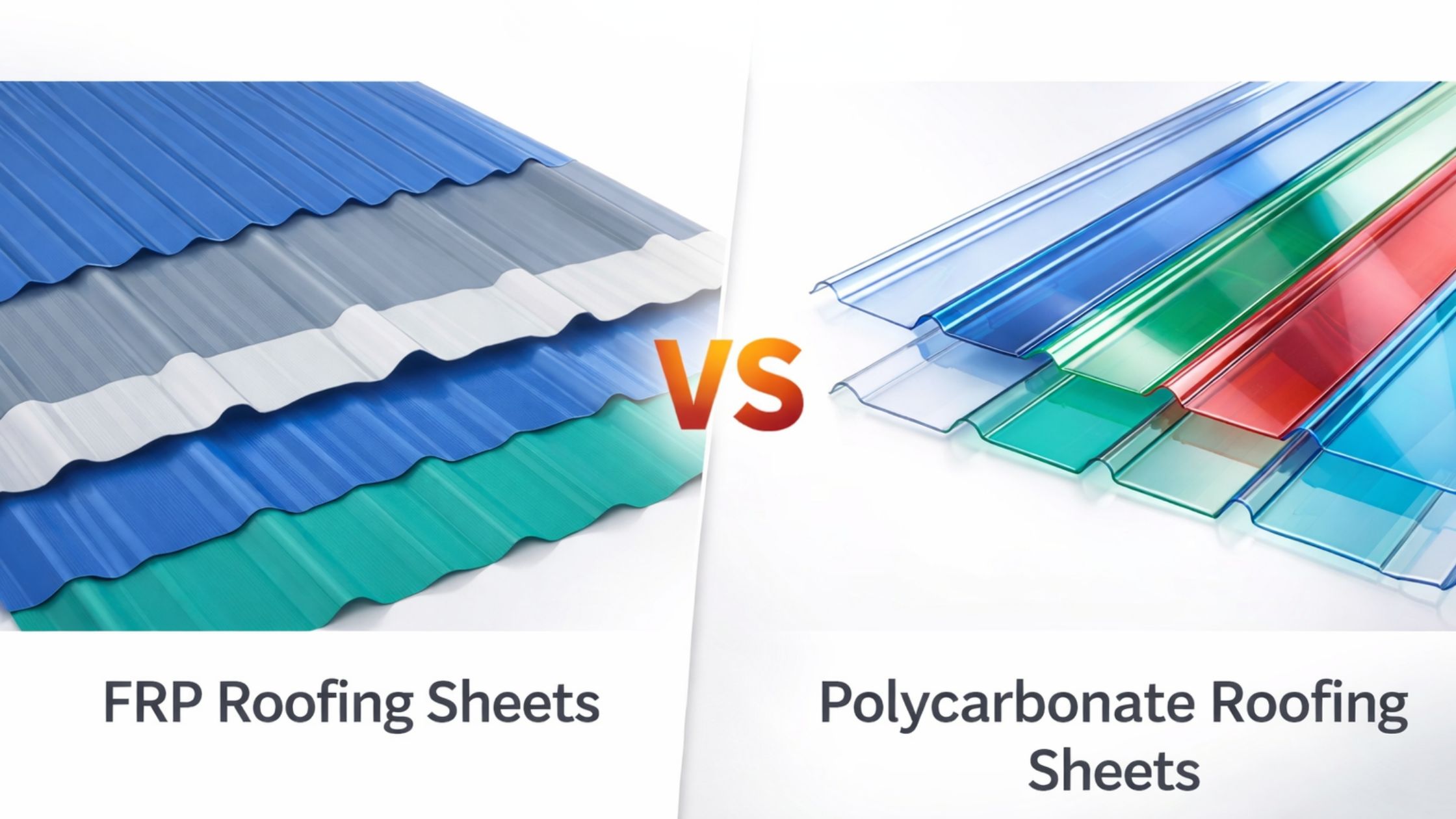
FRP vs. Stainless Steel: Which to Choose?
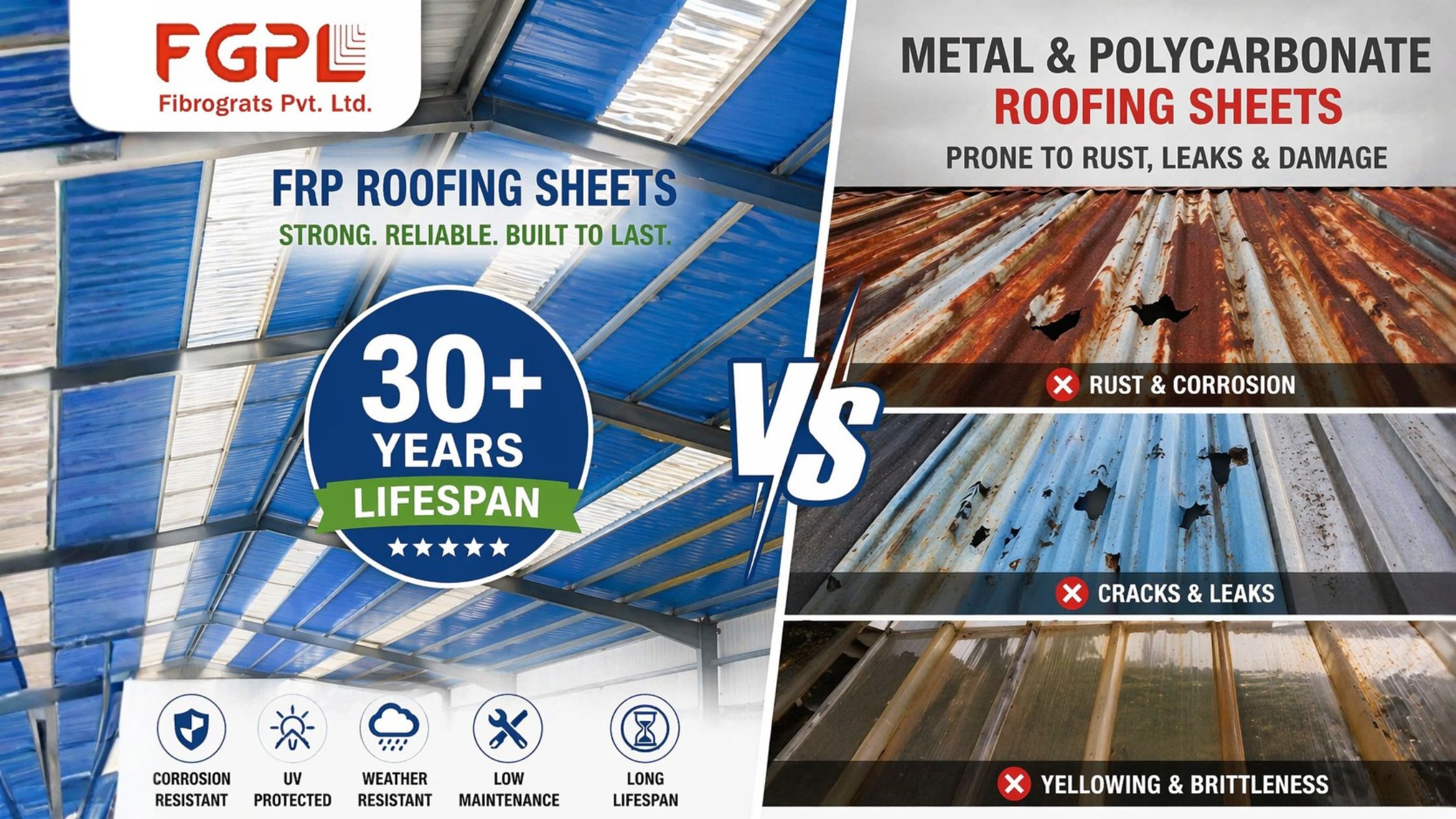
The two dominant construction materials for acid oil plants are Fibre-Reinforced Plastic (FRP) and Stainless Steel (SS 316/317L). The right choice depends on your plant’s capacity, operating conditions, and budget.
✓ Recommended Standard
FRP Construction
- ✓Excellent resistance to H₂SO₄ and HCl
- ✓No metal contamination of product
- ✓Lower cost than SS (30–50% savings)
- ✓Lighter weight — reduces civil loads
- ✓15–25 year service life when quality FRP used
- ✓Proven for capacities up to 200 MT/day
- ✗Temperature limit: typically up to 80–90°C
- ✗Quality-sensitive — requires skilled FRP fabrication
Alternative
Stainless Steel SS 316L
- ✓Higher temperature tolerance (>100°C)
- ✓Suitable for high-pressure applications
- ✓Better for very large capacities (300+ MT/day)
- ✓Preferred for some export markets
- ✗50–80% higher capital cost vs FRP
- ✗Heavier — increases civil and structural costs
- ✗Requires rubber lining for concentrated acid zones
- ✗Risk of Cl⁻ stress corrosion cracking with HCl
⚠️ Avoid mild steel (MS) construction at any cost. Concentrated sulfuric acid and fatty acids will corrode MS rapidly, contaminating the product and causing dangerous failures within 2–3 years.
Plant Capacity Guide: Matching Size to Your Refinery
Acid oil plant capacity is expressed in MT/day of soap stock processed. To size your plant correctly, calculate your refinery’s daily soap stock generation (typically 3–8% of crude oil input) and add 15–20% buffer for growth.
| Refinery Scale | Crude Input (MT/day) | Soap Stock (MT/day) | Recommended Plant |
|---|
| Small Refinery | 50–100 | 2–8 | 5–10 MT/day plant |
| Medium Refinery | 100–300 | 5–24 | 10–30 MT/day plant |
| Large Refinery | 300–600 | 12–48 | 30–60 MT/day plant Most Common |
| Mega Refinery | 600–1500 | 24–120 | 60–150 MT/day plant |
| Industrial Complex | 1500+ | 60–200+ | 150–300+ MT/day (modular) |
💡 Pro Tip: Always design the plant for 1.25–1.5× your current soap stock volume to accommodate refinery expansion and seasonal crop variations. Oversizing a soap stock splitting plant is far less costly than a second expansion.
7-Point Evaluation Checklist for Buyers
Use this checklist when evaluating soap stock splitting plant suppliers. Ask for documented evidence on each point — not just claims.
1
Installation Track Record
How many plants have they installed, and in how many countries? Request a reference list with plant capacities, commissioning dates, and contact persons. A supplier with 150+ installations has encountered and solved the full range of real-world challenges.
2
FRP/Material Quality & Fabrication Standards
What resin system is used for FRP (vinyl ester vs. polyester)? Is the fabrication done in-house or outsourced? Request material test certificates (MTC). Vinyl ester FRP has significantly better acid resistance than general-purpose polyester.
3
Guaranteed Acid Oil Yield
Ask for a performance guarantee: minimum acid oil yield (%) per tonne of soap stock, maximum acid consumption (kg H₂SO₄/MT), and maximum sludge volume. Get this in writing in the contract. Best-in-class is 90–95% yield with <100 kg acid/MT.
4
Fume Control & Environmental Compliance
Does the plant include an FRP fume scrubber? What are the emission specifications? Non-compliance with local pollution control board (PCB) norms can result in plant shutdown. Ensure effluent treatment is included or clearly specified.
5
Automation & Control Systems
Is the plant manually operated or does it include PLC-based automation? Automated pH control, level control, and alarm systems reduce operator dependency, improve consistency, and lower acid consumption by precise dosing.
6
Commissioning, Training & After-Sales
Is commissioning included or an add-on? How long does the supplier’s team stay on-site? Is there an operator training program? What is their spare parts supply lead time? Poor post-commissioning support is the most common complaint in the industry.
7
Total Cost of Ownership (TCO), Not Just CAPEX
Calculate the 10-year TCO: CAPEX + installation + commissioning + annual maintenance + spare parts + acid consumption costs. A plant that costs 20% less upfront but uses 40% more acid per tonne will cost far more over its operating life.
Frequently Asked Questions
▾
What feedstocks can be processed in a soap stock splitting plant?
Most soap stock splitting plants can process soap stocks from palm, soybean, sunflower, rapeseed, cottonseed, rice bran, and other vegetable oils. The soap stock composition varies by oil type and refining method, so the plant should be designed with the specific feedstock(s) in mind for optimal yield and acid dosing.
▾
How long does it take to install and commission a soap stock splitting plant?
Typical delivery after order confirmation is 8–16 weeks depending on plant size and complexity. Civil construction and installation takes 4–8 weeks. Commissioning and trial runs require 1–3 weeks. Total project timeline from order to stable production is typically 5–7 months.
▾
What is the typical payback period for an acid oil plant investment?
For most installations, the payback period is 18–36 months. This depends on: the market price of acid oil, the volume of soap stock processed, acid costs, and operating efficiency. In markets where acid oil is in high demand (South Asia, Southeast Asia, Eastern Europe), payback periods of 12–18 months have been achieved.
▾
Can an existing soap stock splitting plant be upgraded for higher capacity?
Yes, most modular FRP-based plants can be debottlenecked and expanded. Common upgrade paths include adding a second reactor, increasing settler volume, and upgrading the acid dosing system. An experienced manufacturer can assess your existing installation and recommend the most cost-effective upgrade path.
▾
Is the acid oil produced suitable for export?
Acid oil produced from a well-run plant can meet international trade specifications for animal feed (EU Reg. 68/2013), biodiesel feedstock, and oleochemical use. The key quality parameters buyers globally look for are: FFA content (min. 75–85%), moisture (<1%), impurities, and colour. A good plant with a proper washing stage can consistently achieve export-grade quality.
India’s Most Trusted Acid Oil Plant Manufacturer
Fibrograts (FGPL) has designed, manufactured, and commissioned over 200 soap stock splitting / acid oil plants globally since 1990. Our plants are built on specialized FRP technology developed by Mr. Ashok Jain — delivering 95%+ efficiency, reduced acid consumption, and decades of reliable operation. From 5 MT/day to 300+ MT/day, we size and build the right solution for your refinery.