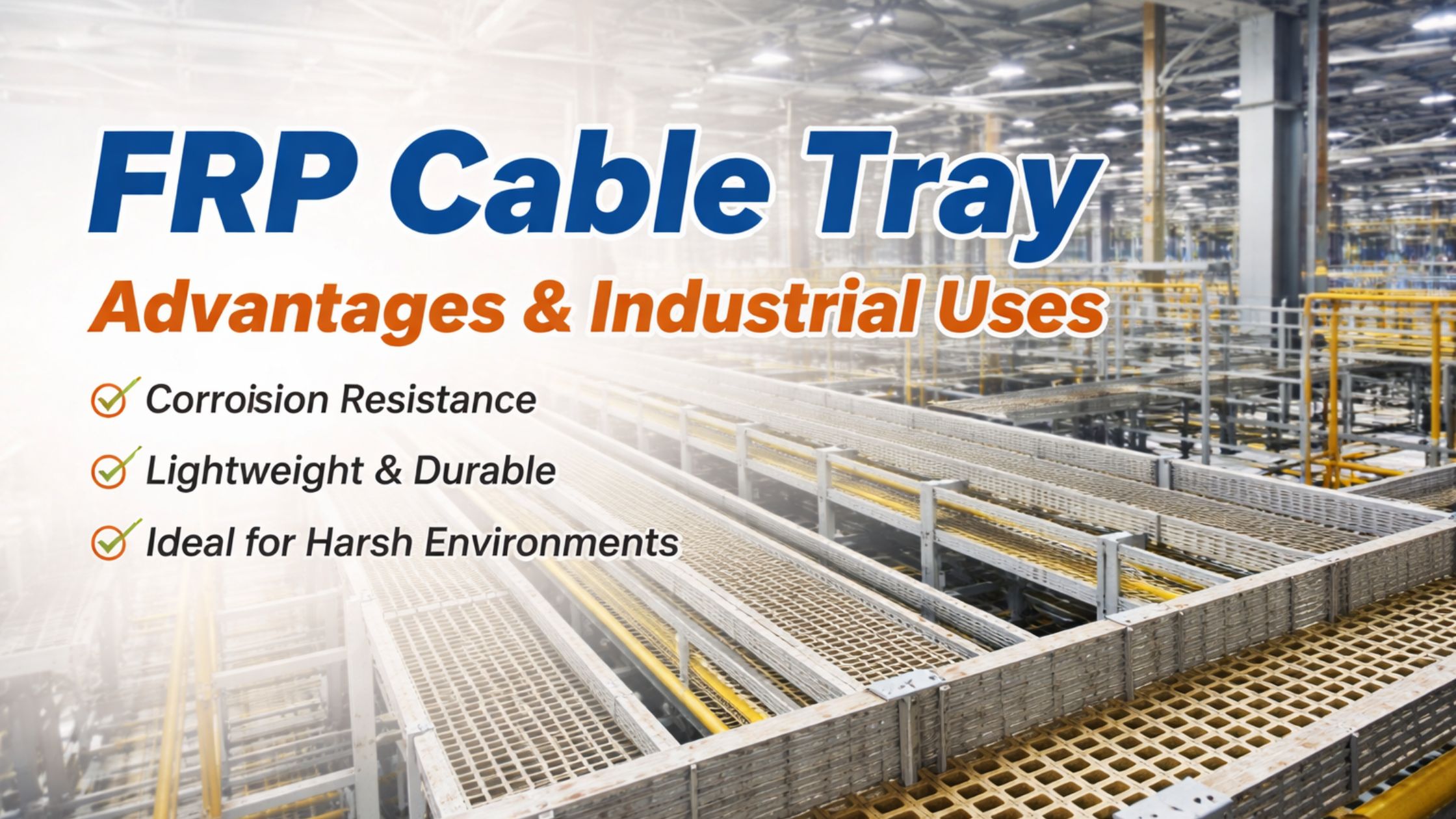
Introduction
Modern industries rely heavily on electrical systems, automation networks, and communication infrastructure. In large industrial facilities, hundreds of cables are used to connect machinery, control panels, and power systems. Managing these cables efficiently is essential for safety, performance, and long-term reliability.
Cable tray systems play a critical role in organizing and protecting these cables. While traditional metal cable trays have been widely used, industries operating in corrosive or harsh environments often face durability issues with metal systems. This has led to the growing adoption of FRP cable trays.
FRP (Fiber Reinforced Plastic) cable trays offer a combination of strength, corrosion resistance, and low maintenance, making them a preferred solution for modern industrial applications.
What is an FRP Cable Tray?
An FRP cable tray is a cable management system made from fiber reinforced plastic, a composite material formed by combining resin with reinforcing fibers such as fiberglass. This structure provides excellent durability and resistance to environmental damage.
FRP cable trays are designed to support and organize electrical cables, control wiring, and communication lines. They create structured pathways that allow easy inspection, maintenance, and long-term performance.
Unlike metal alternatives, FRP trays do not corrode or degrade when exposed to moisture, chemicals, or extreme weather conditions. This makes them ideal for industries that require reliable cable management systems.
Key FRP Cable Tray Advantages Over Metal
1. Excellent Corrosion Resistance
Corrosion is one of the biggest challenges in industrial environments such as chemical plants, refineries, and coastal facilities. Metal cable trays can deteriorate quickly when exposed to moisture and chemicals.
FRP cable trays are highly resistant to corrosion because their composite material does not react with most chemicals. This ensures long-lasting performance even in aggressive environments.
2. Lightweight Yet Strong Structure
FRP cable trays are significantly lighter than traditional steel trays while maintaining high structural strength.
This provides multiple benefits:
- Easier handling and transportation
- Faster installation
- Reduced structural load
Despite being lightweight, FRP trays can support heavy cable loads efficiently.
3. Electrical Insulation
One of the key advantages of FRP cable trays is their non-conductive nature. Unlike metal trays, they do not conduct electricity.
This enhances safety by reducing the risk of electrical shocks and short circuits in industrial installations.
4. Weather and UV Resistance
FRP cable trays perform well in outdoor environments where exposure to sunlight, rain, and temperature changes is common.
They are resistant to UV radiation and harsh weather conditions, ensuring durability over time.
5. Low Maintenance Requirements
Metal cable trays often require coatings and regular maintenance to prevent rust and damage. FRP cable trays, on the other hand, require minimal maintenance.
They do not rust, peel, or degrade easily, making them a cost-effective long-term solution.
FRP vs Metal Cable Tray: Why Industries Prefer FRP
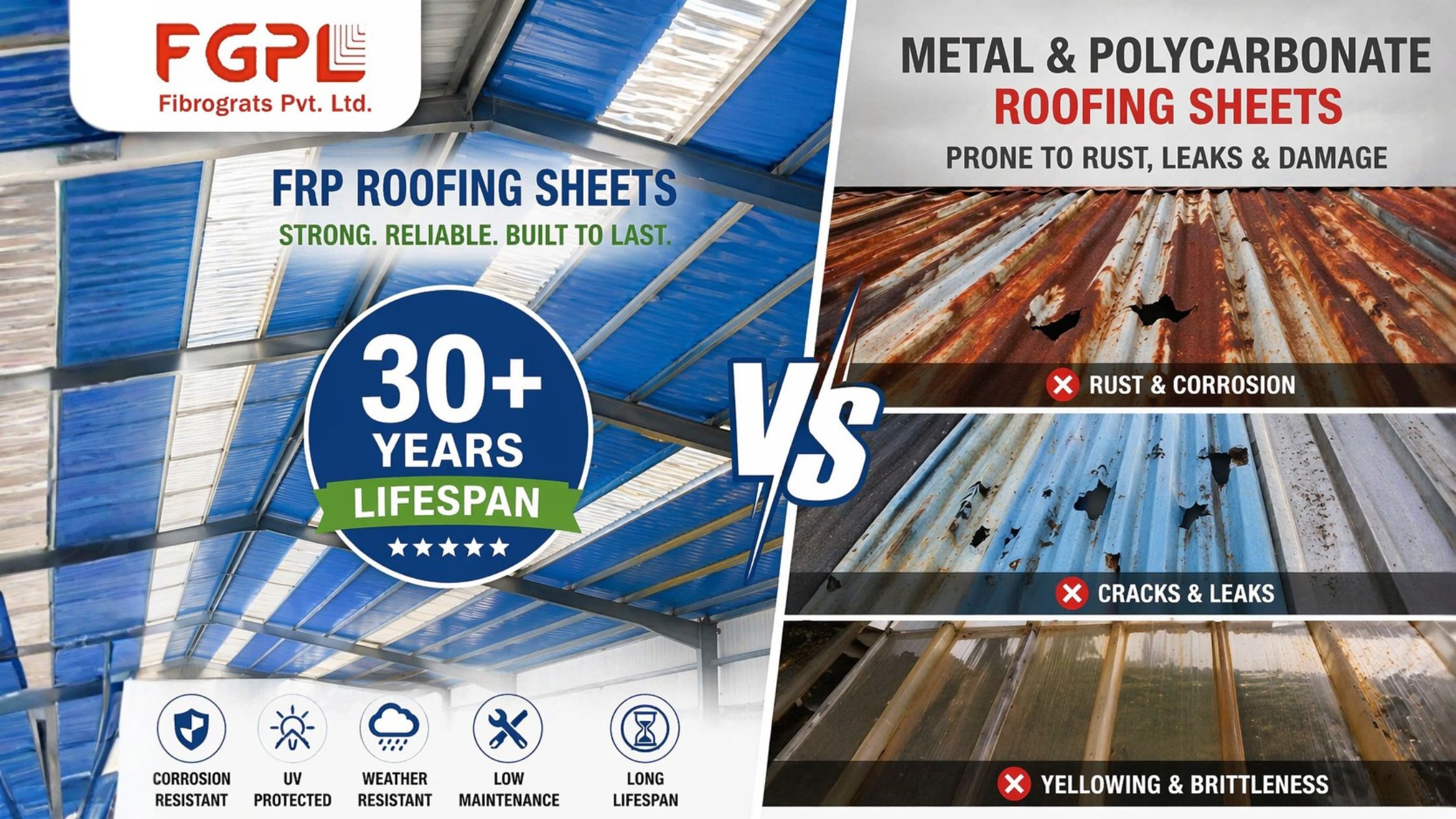
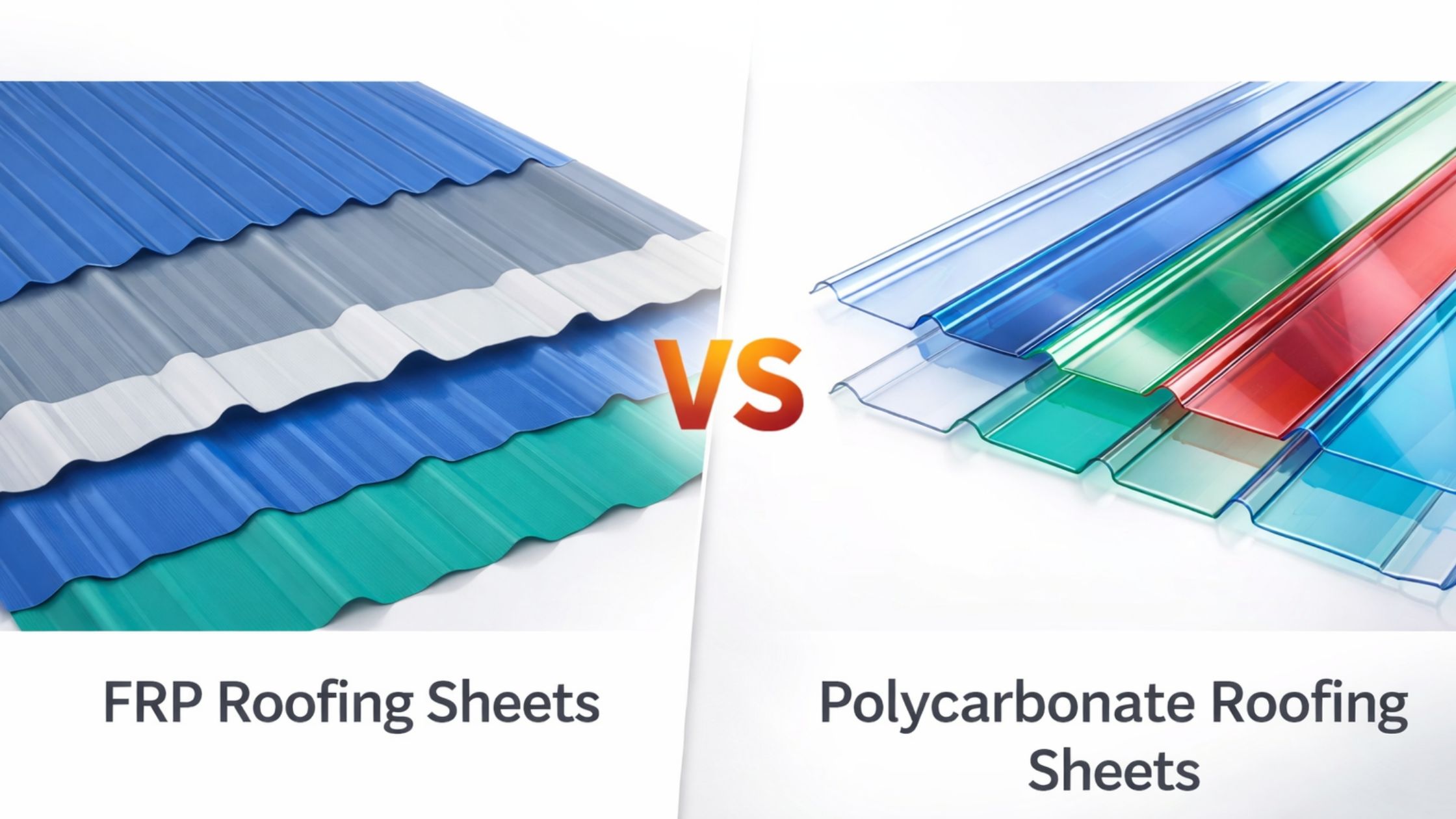
When comparing FRP cable trays with traditional metal systems, several differences become clear. FRP trays offer better corrosion resistance, require less maintenance, and provide improved safety due to their non-conductive properties.
Industries That Use FRP Cable Trays
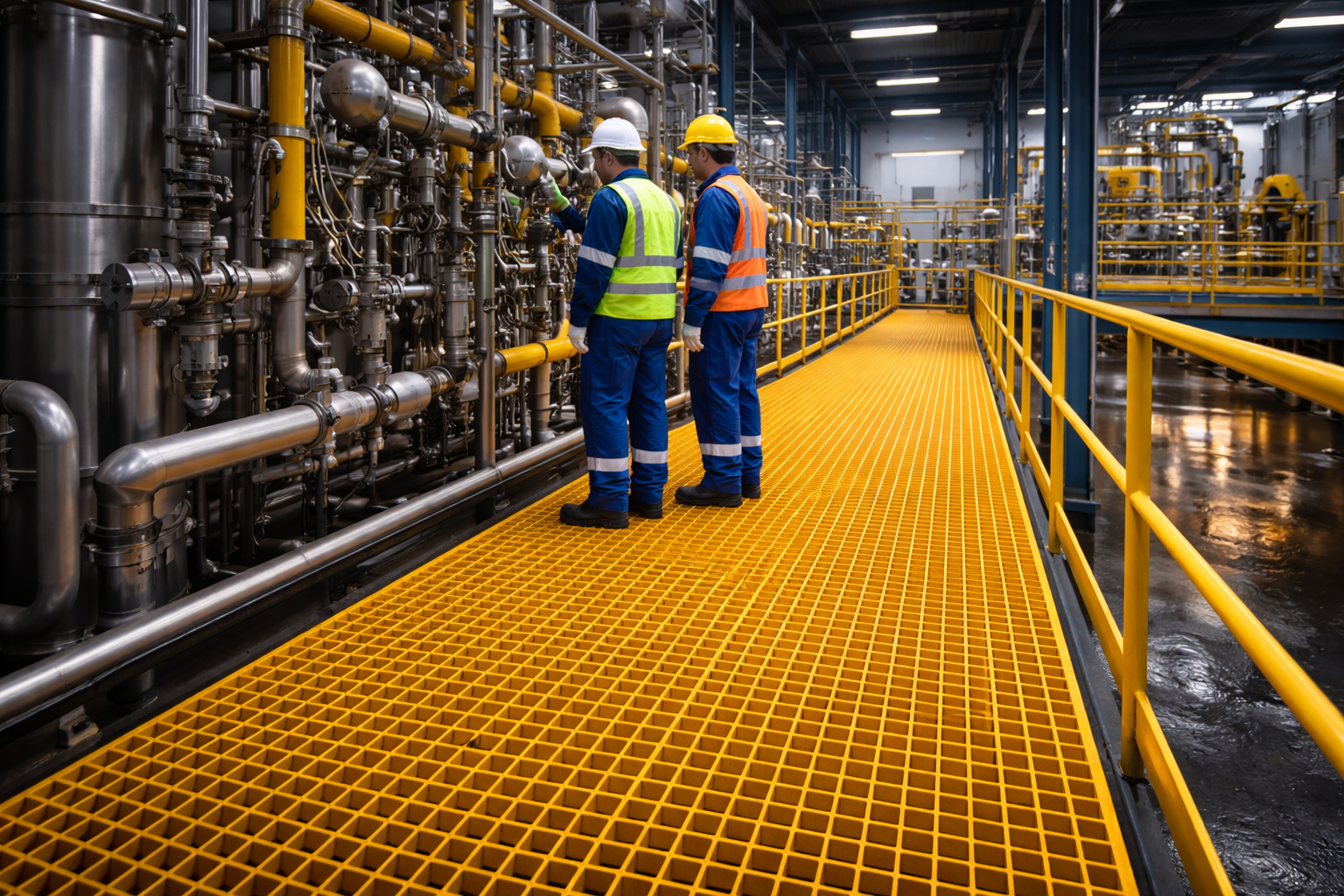
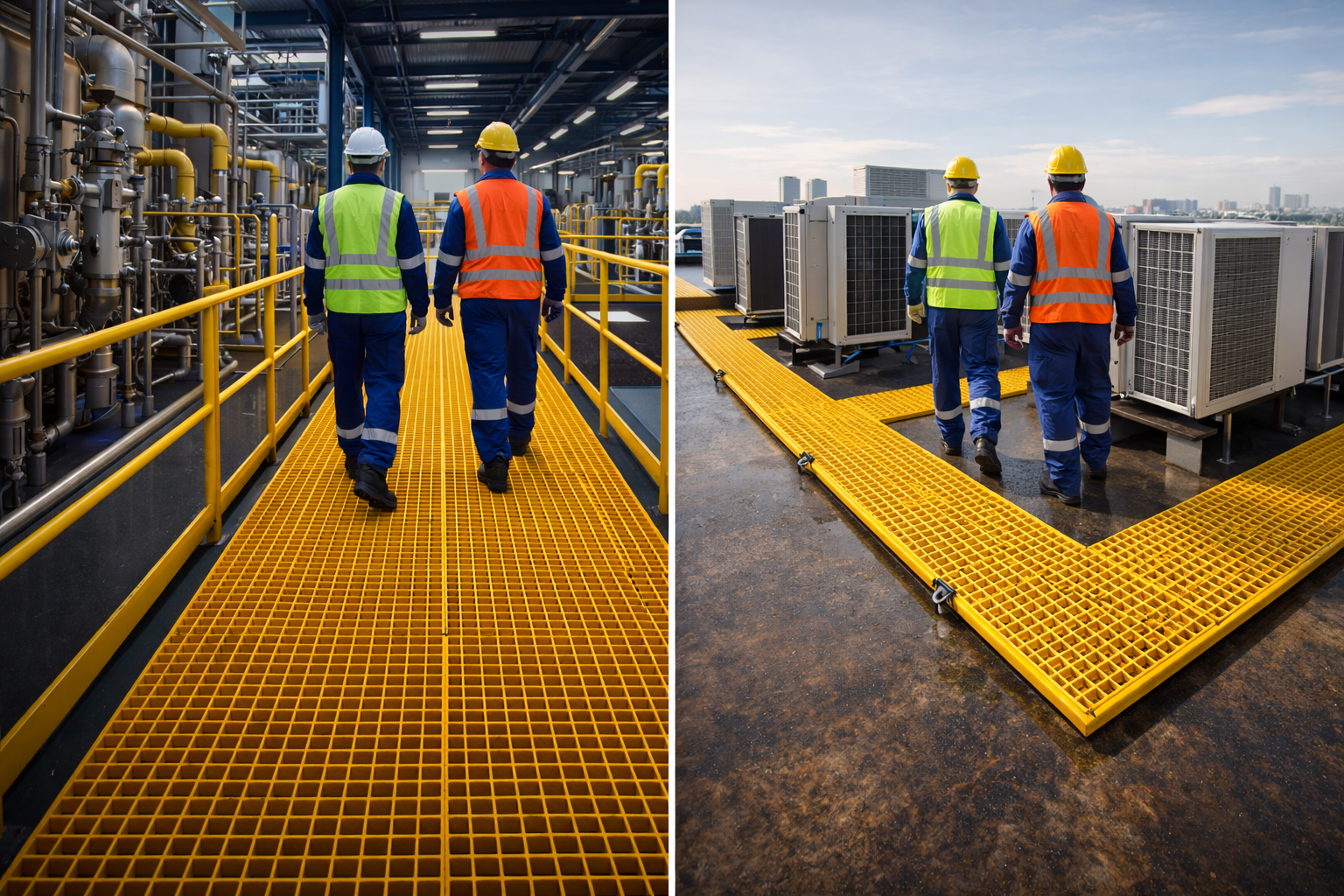
FRP cable trays are widely used across industries where durability and resistance to harsh conditions are essential.
Common industries include:
- Chemical processing plants
- Oil and gas facilities
- Power generation plants
- Water and wastewater treatment plants
- Infrastructure and manufacturing units
Installation and Maintenance Benefits
1. Easier Installation
Due to their lightweight design, FRP cable trays are easier to transport and install compared to metal alternatives. This helps reduce labor effort and project timelines.
2. Flexible Design Options
FRP cable trays can be customized in different sizes and configurations based on project requirements. This allows engineers to design efficient cable management systems.
3. Long-Term Cost Efficiency
Although initial costs may vary, FRP cable trays offer long-term savings due to low maintenance and extended service life.
Why FRP Cable Trays Are a Smart Long-Term Choice
Industrial infrastructure requires solutions that are durable, safe, and cost-effective. FRP cable trays meet all these requirements by offering:
- Corrosion resistance
- Lightweight construction
- Electrical insulation
- Weather durability
- Low maintenance
👉 For complete specifications and product details, you can explore our FRP cable tray solutions page.
About Fibrograts Pvt Ltd
Fibrograts Pvt Ltd specializes in manufacturing high-quality FRP products designed for industrial and infrastructure applications. With advanced manufacturing capabilities and engineering expertise, the company focuses on delivering durable and reliable composite solutions.
Their FRP cable tray systems are designed to perform efficiently in corrosive and challenging environments, supporting safe and structured cable management.
Conclusion
Cable management plays a vital role in maintaining safety and efficiency in industrial operations. While traditional metal cable trays have been widely used, they often face limitations in corrosive and demanding environments.
FRP cable trays provide a modern alternative with superior durability, corrosion resistance, and low maintenance requirements. As industries continue to upgrade their infrastructure, FRP cable trays are becoming an essential component for reliable and long-lasting cable management systems.
Frequently Asked Questions
What are the advantages of FRP cable trays?
FRP cable trays offer corrosion resistance, a lightweight design, electrical insulation, and low maintenance, making them ideal for industrial use.
How are FRP cable trays better than metal trays?
FRP trays do not rust, are non-conductive, and perform better in harsh environments compared to metal cable trays.
Where are FRP cable trays used?
They are commonly used in chemical plants, oil and gas industries, power plants, and water treatment facilities.
Are FRP cable trays suitable for outdoor use?
Yes, they are resistant to UV rays and weather conditions, making them suitable for outdoor installations.