Industrial Walkway & Platform Safety: Why FRP Grating Matters
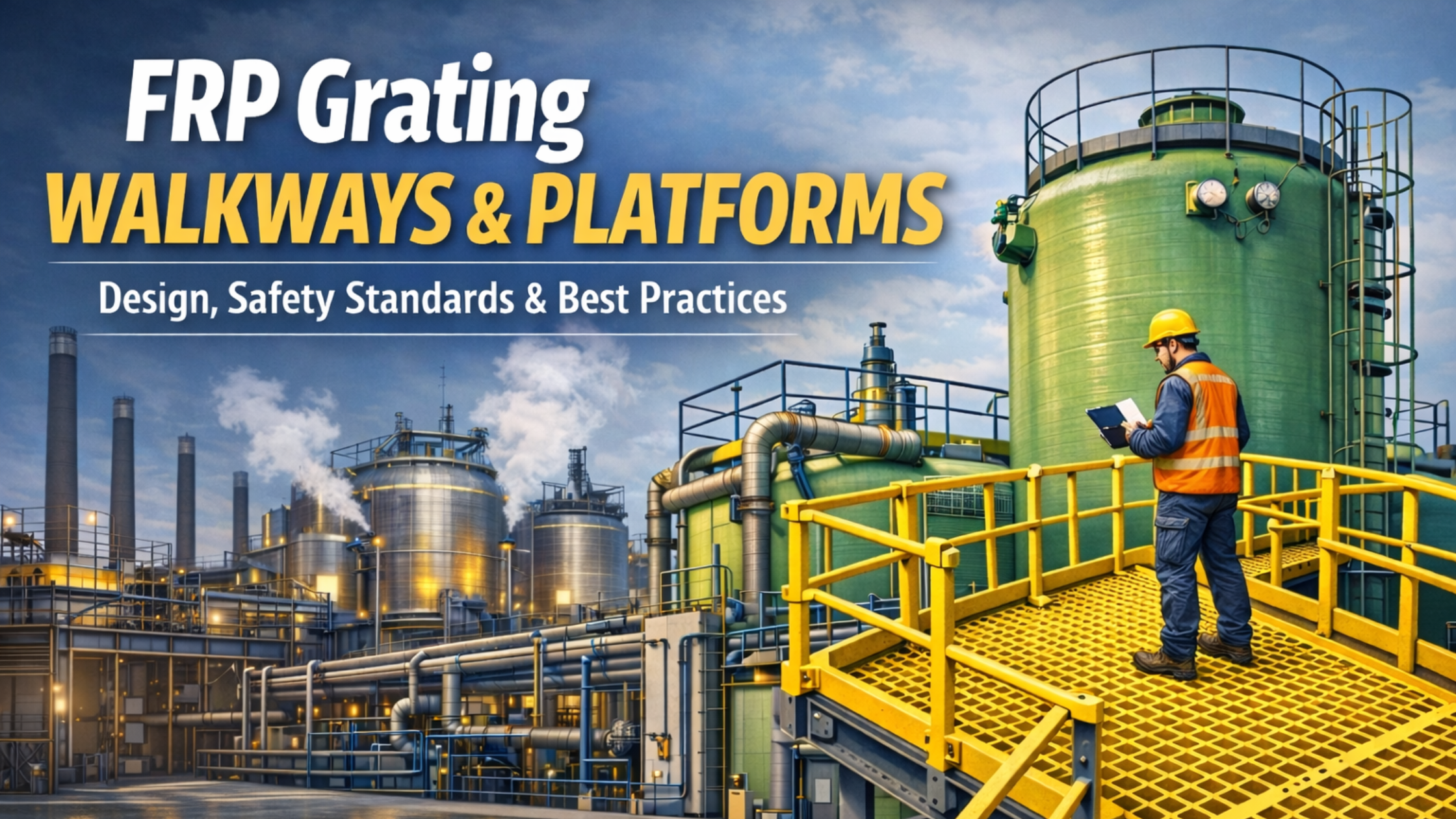
Industrial walkways and platforms are among the highest-risk areas within factories, refineries, power plants, and process units. Workers move across them daily while carrying tools, materials, or wearing safety gear. Slips, corrosion, chemical exposure, and structural stress make traditional flooring unreliable and unsafe over time. This is why industries are shifting to FRP grating for walkways and platforms as a modern, engineered flooring solution. FRP grating provides high strength, slip resistance, and corrosion protection. This guide explains how to design, specify, and install FRP grating systems correctly to ensure long-term safety and performance.
What Are FRP Grating Walkways and Platforms?
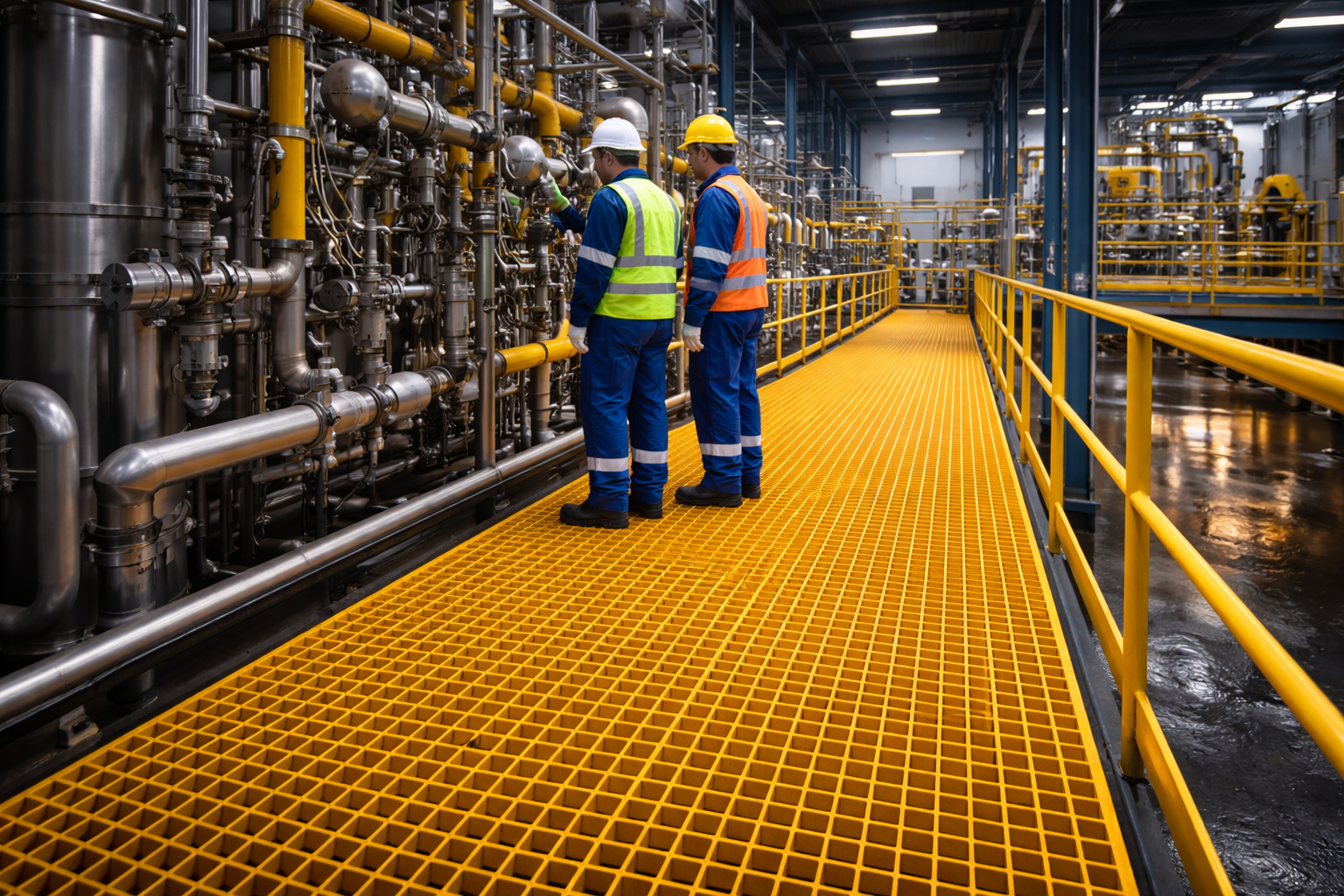
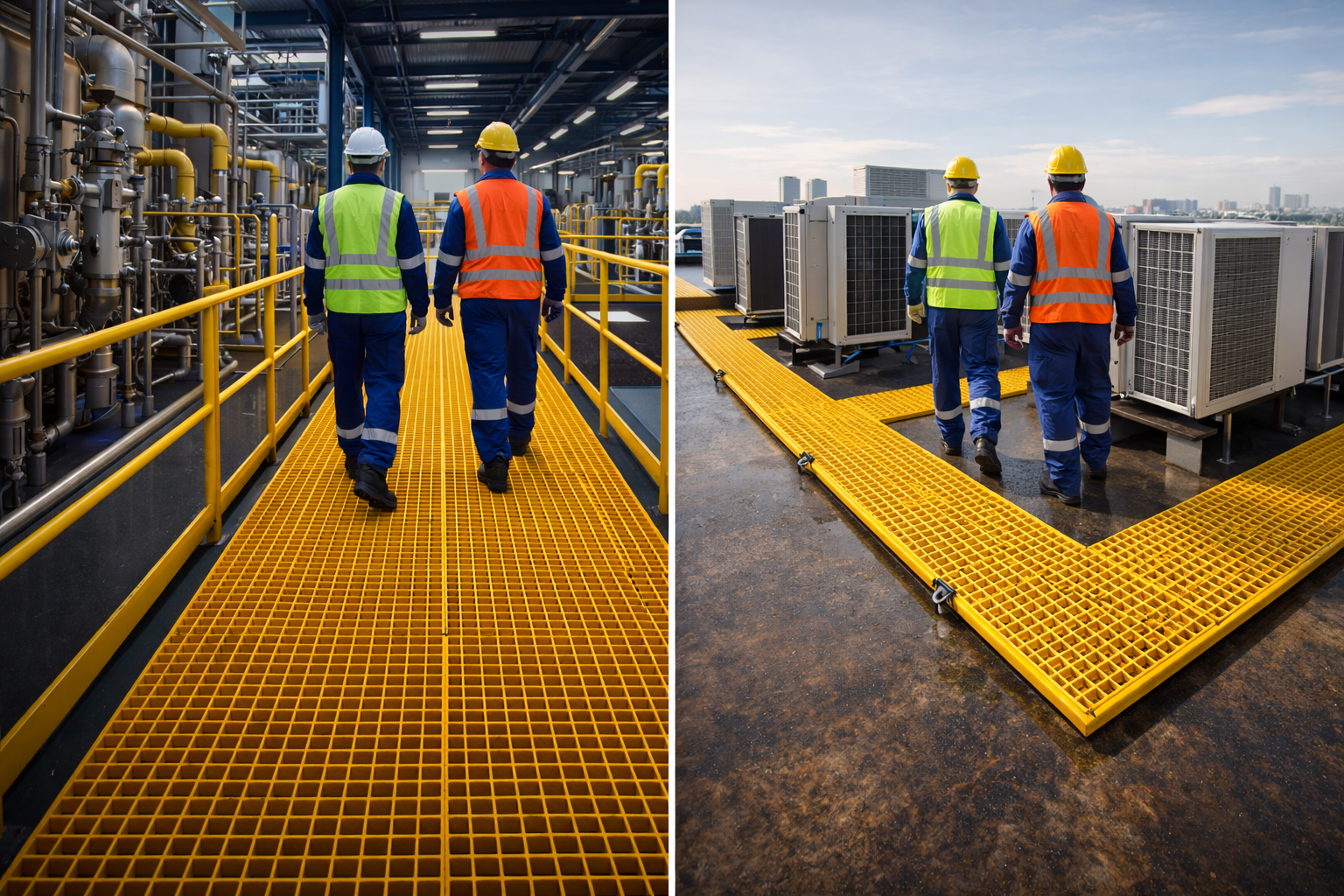
A walkway is the path used by workers to move from one area of a plant to another. A platform is a working surface where people stand to operate, inspect, or maintain equipment. Both need flooring that is strong, safe, and easy to maintain.
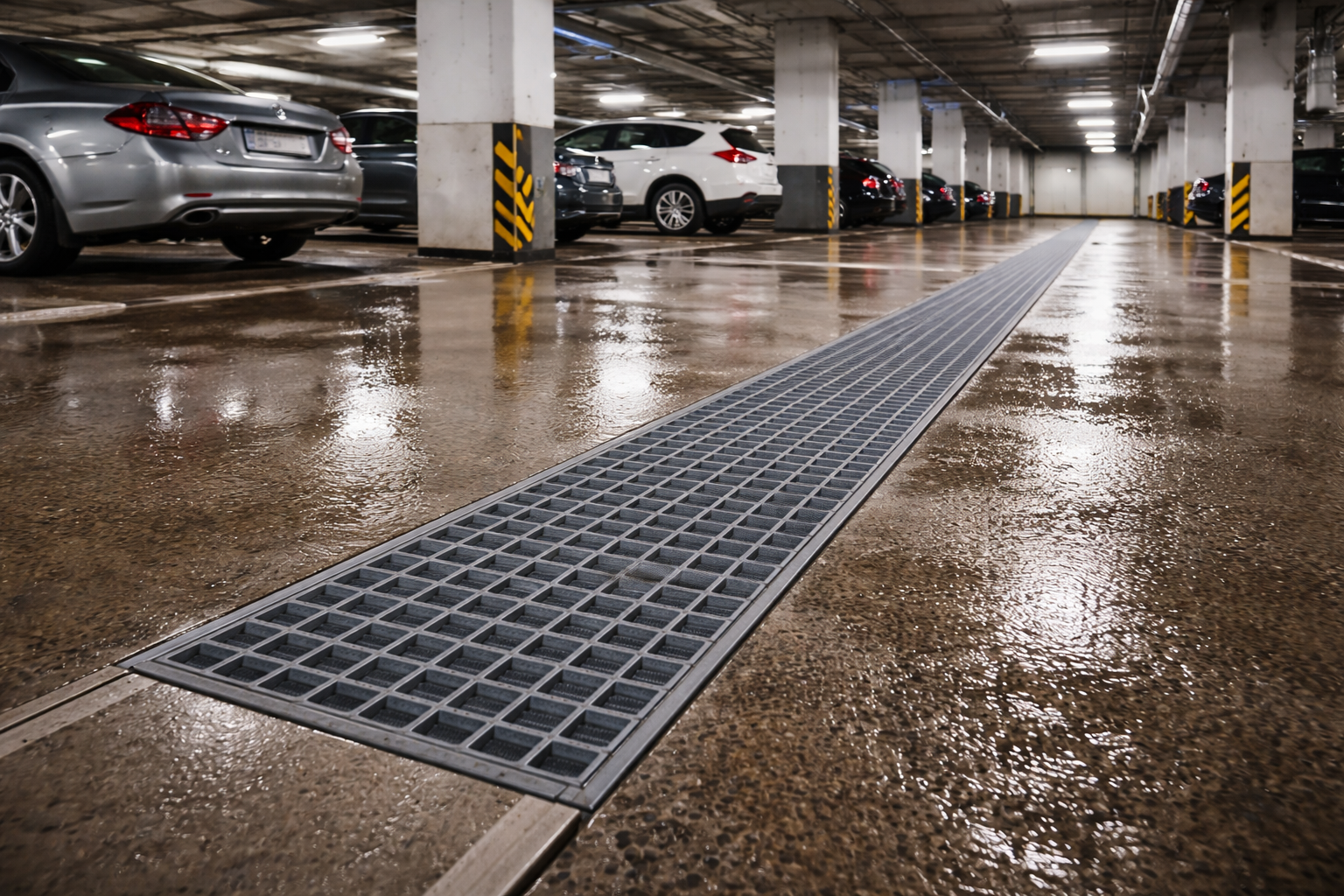
Grating is used instead of solid flooring because it allows water, chemicals, and dust to pass through rather than collect on the surface. This keeps the area safer and cleaner. FRP grating for walkways is especially popular in industrial environments because it combines open-mesh drainage with corrosion resistance and electrical safety.
Why FRP Grating is Preferred for Industrial Walkways
FRP grating offers several advantages that make it ideal for harsh industrial conditions:
- It does not rust or corrode, even in chemical or coastal environments
- It is non-conductive, improving electrical safety
- It is lightweight but structurally strong
- It requires minimal maintenance
- It performs well in wet, oily, or chemical-exposed areas
These benefits make an industrial FRP grating walkway far safer and more reliable than steel or concrete alternatives.
Design Considerations for FRP Grating Walkways
Span, Support & Deflection Basics
Span refers to the distance between supports. If the span is too wide, the grating will bend or vibrate when people walk on it. Excessive deflection leads to discomfort, damage, and safety risks. Proper support spacing ensures the grating remains stable under load.
Panel Size Planning & Joint Placement
Grating panels should be planned to minimize unnecessary joints and cutting. Fewer joints mean higher structural integrity and easier installation. Walkways should also be designed to allow clear access paths and maintenance zones. These principles ensure FRP grating for walkways and platforms performs safely over its full life.
Design Considerations for FRP Grating Platforms
Platform Load Zones & High Footfall Safety
Platforms often carry higher loads due to equipment, tools, and multiple workers. Areas near machines, valves, or control panels experience more foot traffic, so extra support and correct panel thickness are critical.
Drainage & Open Area Selection
Open-mesh FRP grating allows liquids, chemicals, and rainwater to drain away instead of pooling. This reduces slip hazards and prevents chemical buildup. For elevated work areas, FRP grating for platforms with proper open area design is essential.
Safety Standards & Best Practices for Walkways and Platforms
Industrial safety requires more than just strong flooring. Proper FRP grating systems include:
- Anti-skid surfaces to prevent slips
- Edge protection and nosing at platform ends
- Compatibility with handrails and guardrails
- Safe access ladders and stair interfaces
Anti-Skid & Slip Resistance in Wet Areas
Gritted or textured surfaces provide extra grip in oily, wet, or chemical-exposed zones. This makes FRP grating for walkways highly suitable for process plants, ETP areas, and maintenance walkways.
📌 Safety Compliance Tip
👉 For industrial safety compliance, it’s best to source FRP grating directly from an experienced manufacturer. Explore FGPL’s FRP grating manufacturing capability here.
Installation Best Practices
Correct Fixing Method (Clips & Fasteners)
Proper clips prevent movement, rattling, and lifting of panels. Loose grating can cause vibration, damage, and accidents.
Cutting & Finishing Tips
Exposed edges should be sealed after cutting to protect the fibers and maintain strength. Site cutting should be done carefully to avoid cracks. These steps are especially important for FRP grating for platforms where loads are higher.
Common Mistakes in FRP Walkway and Platform Projects
Many problems arise from incorrect planning or installation:
- Selecting the wrong resin grade for the environment
- Providing inadequate support span
- Using low-quality clips and fasteners
- Installing grating on uneven steel structures
- Skipping anti-skid surfaces in wet areas
Avoiding these errors ensures FRP grating for walkways and platforms delivers its full safety and durability benefits.
How to Choose the Right FRP Grating Manufacturer
The quality of FRP grating depends heavily on how it is made. A reliable FRP grating manufacturer should offer:
- In-house production for consistency
- High-grade resin and fiberglass
- Controlled moulding and curing
- Strict quality checks
- Technical guidance for projects
- Custom sizes and load ratings
Choosing the right partner ensures long-term performance and safety.
📌 Manufacturer Advisory
👉 Looking for long-lasting FRP grating for walkways and platforms? FGPL manufactures industrial-grade FRP gratings customized to project conditions. Request a quote or product consultation today.
Frequently Asked Questions ✅
1. Is FRP grating safe for wet industrial walkways?
Yes. FRP grating with anti-skid surfaces offers excellent slip resistance in wet, oily, and chemical environments, making it ideal for industrial walkways.
2. Which surface type is best for anti-slip performance?
Gritted or textured FRP grating surfaces provide the highest grip, especially in areas exposed to water, oil, or chemicals.
3. Can FRP grating be used in chemical plants?
Yes. FRP is highly resistant to corrosion and chemical fumes, making it suitable for chemical processing and storage areas.
4. What is the ideal support span for FRP walkway grating?
The span depends on load and panel thickness, 1×1 meter support span is best to prevent sagging and vibration.
5. Do FRP platforms require edge protection?
Yes. Platforms should always have nosing, toe plates, and handrails for worker safety.
6. Why buy FRP grating from a manufacturer instead of a supplier?
A manufacturer ensures proper resin selection, quality control, customization, and technical support for your project.